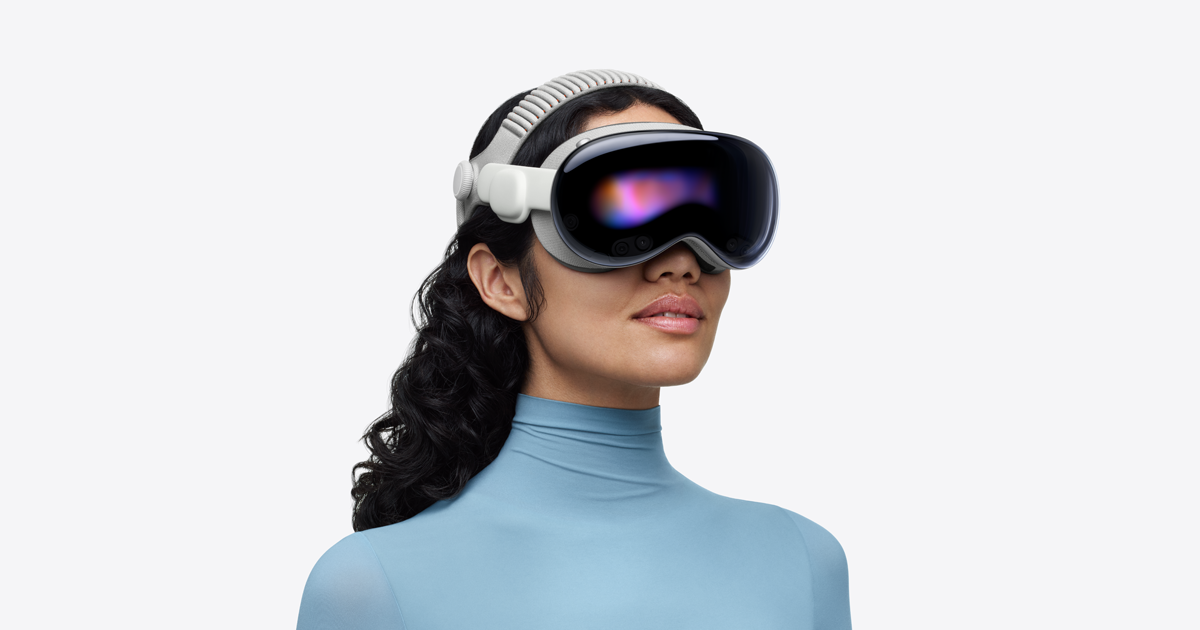
Apple’s WWDC26 visionOS guide gives Vision Pro developers a bigger input story for visionOS 27: spatial accessories. The change lets companies build accessories that combine IR LEDs, an IMU, physical inputs, and haptics for precise six-degrees-of-freedom tracking on Apple Vision Pro.
This does not mean every existing VR controller will suddenly pair with Vision Pro. It does mean Apple is giving accessory makers and app developers a supported path for tracked tools, controllers, and simulation hardware.
What Apple Added
Apple says spatial accessories can be tracked at up to 90 Hz and are aimed at precise, low-latency use cases. The same WWDC26 guide says DFRobot and MikroE are preparing off-the-shelf reference hardware and development kits later this year.
For games, Apple also calls out engine-level progress. The guide says Unity apps and games on visionOS can support spatial accessories such as PlayStation VR2 Sense controllers, and that Godot support for visionOS includes fully immersive experiences and PS VR2 Sense controller support.
Why It Matters
Vision Pro’s eye-and-hand interface is excellent for windows, media, and spatial computing. It is less suited to many VR-native games and training apps that depend on tactile controls, fast pose updates, buttons, triggers, or tool-shaped props.
Spatial accessories give developers a way to build for those use cases without abandoning Apple’s native platform model. The near-term audience is likely developers, enterprise teams, training apps, simulation, and specialized creative tools. For mainstream gaming, the bigger question is whether enough hardware makers and studios use the API to build a real controller ecosystem.
What To Watch
Apple has already moved beyond the original no-controller posture by supporting PlayStation VR2 Sense controllers and the Logitech Muse stylus in earlier Vision Pro updates. visionOS 27 looks like the next step: not just Apple-blessed accessories, but a framework for more hardware makers.
The important caveat is availability. Apple has described the developer path, but buyers should wait for actual accessory announcements, app support, pricing, and compatibility details before treating Vision Pro as a broad VR-controller platform.
Sources
- Apple Developer: WWDC26 visionOS guide
- Apple Newsroom: Apple Vision Pro topic
- Road to VR: Apple Enables Third-party Motion Controllers & Tracked Accessories in visionOS 27
Buy Apple Vision Pro
As an Amazon Associate, TopVRNews earns from qualifying purchases. We may earn a commission when you buy through our links, without changing our editorial verdicts. Details